C-Section Recovery vs. Vaginal Birth Recovery: What’s Different?
- MedWords Editorial

- Jul 28, 2025
- 2 min read
Updated: Jul 29, 2025
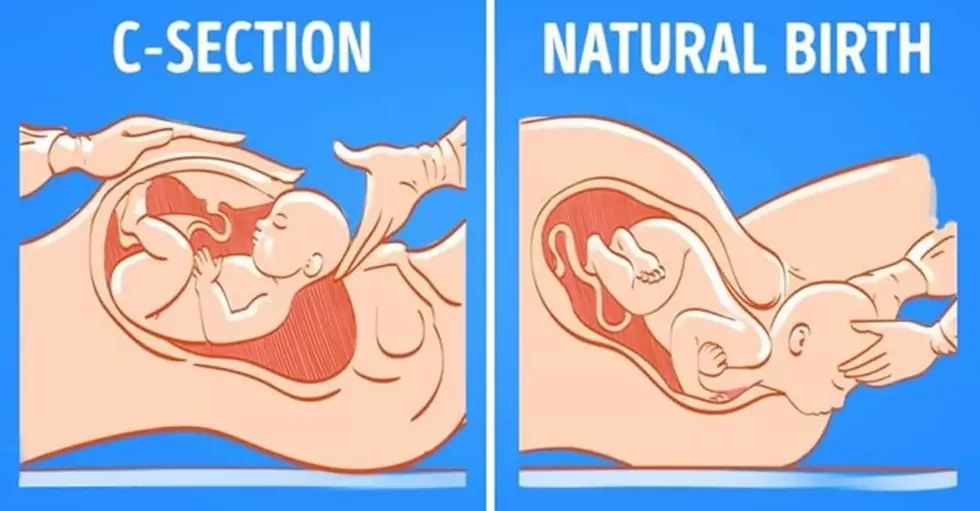
Bringing a baby into the world is transformative, no matter how it happens. But the journey your body takes to heal afterward depends largely on whether you had a cesarean (C-section) or a vaginal birth. Understanding these differences can help you prepare physically and emotionally for recovery, set realistic expectations, and know when to ask for help.
The First Few Days
• Vaginal Birth: Most women can walk within hours of delivery. Soreness is common, especially if there were stitches for tears or episiotomy, but mobility returns relatively quickly.
• C-Section: Because it’s major abdominal surgery, you’ll spend the first 24–48 hours managing incision pain. Walking is encouraged soon after to prevent complications, but full movement takes longer.
Pain and Healing Time
• Vaginal Birth: Pain is usually localized; perineal soreness, swelling, or discomfort while sitting. Most women recover in about 6 weeks.
• C-Section: Healing involves both external stitches and internal muscle repair. It typically takes 6–8 weeks, sometimes longer, for full recovery.
Bleeding and Discharge (Lochia)
Regardless of delivery type, postpartum bleeding happens as the uterus sheds its lining:
• Vaginal birth may have heavier initial bleeding but resolves in a few weeks.
• C-section bleeding can be lighter at first but may last the same duration.
Scars and Stitches
• Vaginal: Stitches (if needed) dissolve naturally and heal over a few weeks.
• C-Section: Leaves a permanent scar across the lower abdomen. Proper incision care is crucial to prevent infection.
Physical Restrictions
• Vaginal Birth: Light activities resume quickly; heavy lifting and high-impact workouts are avoided for about 6 weeks.
• C-Section: Avoid lifting anything heavier than your baby for at least 6 weeks. Driving and core exercises often need doctor’s approval before restarting.
Impact on Core and Pelvic Floor
• Vaginal Birth: The pelvic floor muscles stretch significantly, which can cause urinary leakage or pelvic heaviness.
• C-Section: While pelvic floor trauma is less likely, core muscles are weakened due to the surgical incision.
Emotional Recovery
Both types of delivery can bring emotional highs and lows; from relief and joy to frustration about healing speed or birth experience. Postpartum hormones and fatigue also play a big role, making self-compassion essential.
Tips for a Smoother Recovery
• Prioritize rest and sleep when possible.
• Eat nutritious meals for healing and energy.
• Use support pillows for sitting or feeding.
• Practice gentle pelvic floor or breathing exercises (with medical clearance).
• Ask for help; whether for household tasks or emotional support.
Bottom Line
Neither delivery method is “easier”; they simply require different healing journeys. Whether you had a vaginal birth or a C-section, giving your body time, care, and patience is key to a healthy recovery.


Comments